

Living with a disability can affect almost every part of daily life—from getting around and receiving an education to working, accessing healthcare, communicating, and participating in the community. Because of this, accessibility and accommodations can make the difference between an opportunity simply existing and a person with a disability actually being able to participate.
As a person with a disability living in the United States, this is something I have personally learned to appreciate.
America is not perfect when it comes to disability accessibility. Barriers, discrimination, financial difficulties, inaccessible places, and other challenges still exist. But I am grateful to live in a country where people with disabilities have legal protections, accommodations, and opportunities that can help us participate more fully in everyday life.
One of the most important protections is the Americans with Disabilities Act, commonly known as the ADA. The ADA prohibits disability discrimination in major areas of public life, including employment, state and local government services, transportation, and businesses open to the public.
For me, however, accessibility is more than a law. It is something I experience in my everyday life.
Accessibility in Everyday Life
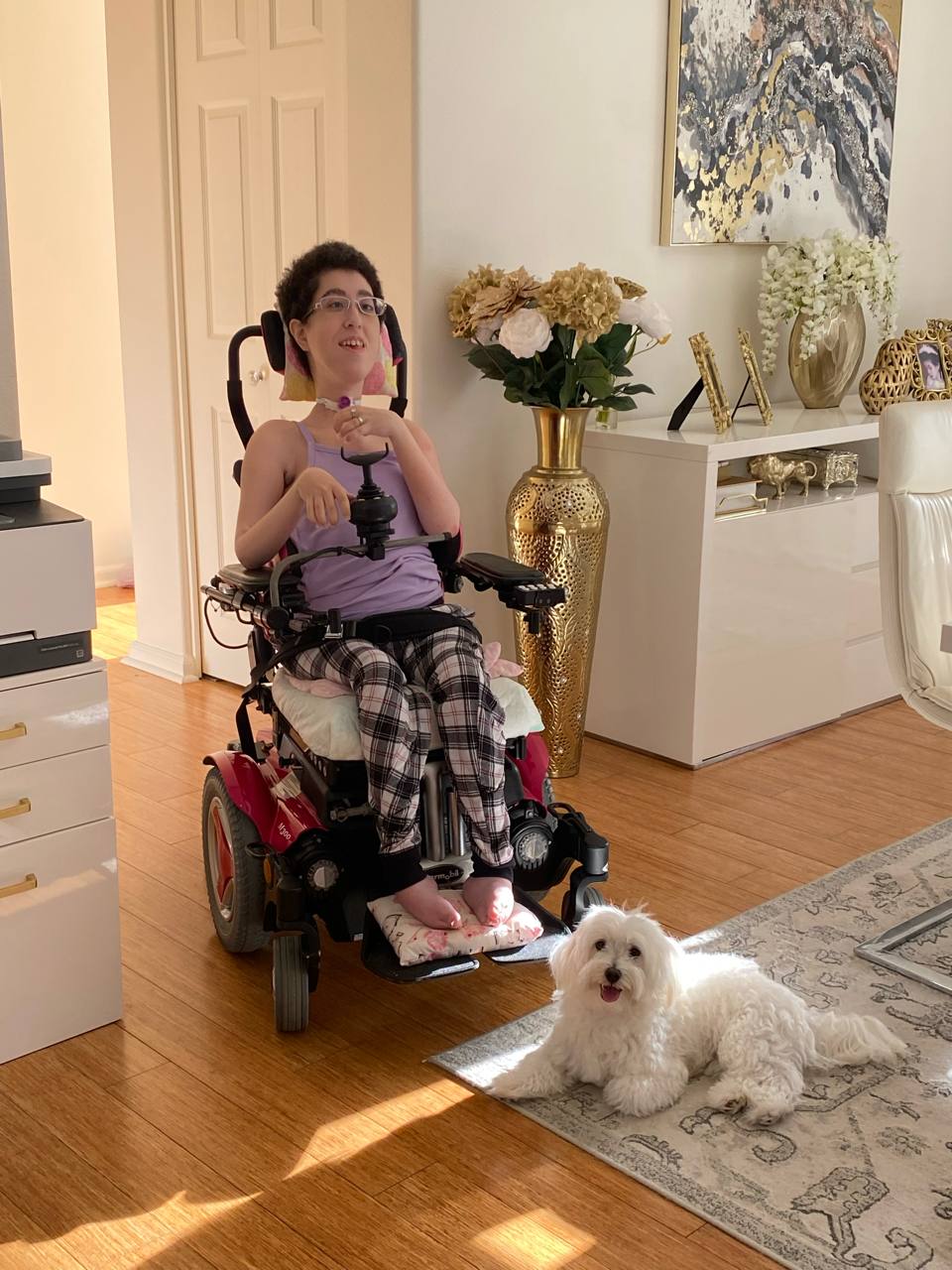
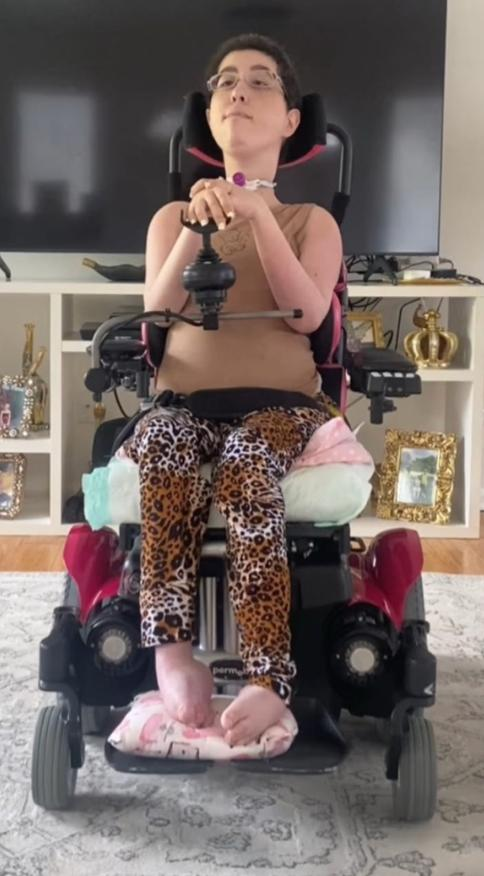
As a wheelchair user, some of the accessibility features I benefit from most are ramps, elevators, accessible parking spaces, and wider areas that give me enough room to move around.
These things may seem ordinary or easy to overlook, but they can determine whether I am actually able to enter and navigate a place.
A ramp can provide access when stairs create a barrier. An elevator can allow me to reach another floor. Accessible parking can make entering and leaving a location easier. Adequate space can give me the room I need to maneuver my wheelchair.
That is why accessibility is not simply about convenience. Accessibility can determine whether a person is able to participate.
I have also experienced how small acts of consideration can make a difference. People have opened doors for me while I am using my wheelchair, helping me enter or leave a building more easily.
Opening a door may seem like a small gesture, but when someone has limited mobility, something that simple can matter.
Accessibility also extends far beyond mobility. A person who is deaf or hard of hearing may need captions, an interpreter, an assistive listening device, or another form of communication assistance. Someone who is blind or has low vision may need Braille, large-print materials, accessible electronic information, or technology compatible with screen readers.
Different disabilities create different needs, and even two people with the same disability may require different accommodations.
Opportunities in Education
Education is another area where I have personally benefited from disability accommodations.
During my education, I have had an Individualized Education Program, commonly known as an IEP. The accommodations and support provided through my IEP have been based on my individual needs.
For example, I have been able to receive my education from home through the public school system, receive additional time when needed, and have flexibility with deadlines when possible.
These accommodations matter because disability does not affect every person in exactly the same way.
One student may need additional time. Another may need assistive technology. Someone else may need to learn from home or receive information differently.
Federal laws provide important protections for students with disabilities, including the Individuals with Disabilities Education Act and Section 504 of the Rehabilitation Act.
But behind the laws is a very simple principle:
Having a disability does not mean someone is incapable of learning. Sometimes, we simply need a different way to learn.
An accommodation does not take away a person's abilities. It can remove a barrier that prevents those abilities from being fully used.
Opportunities to Work
The same principle applies to employment.
Having a disability does not automatically mean someone cannot work or contribute professionally. People with disabilities have different abilities, limitations, careers, goals, and circumstances—just like everyone else.
Under the ADA, reasonable workplace accommodations can include making facilities accessible, modifying work schedules, adjusting certain aspects of a job, modifying equipment, or providing communication assistance.
Sometimes the barrier between a disabled person and employment is not that person's ability to do the job. The barrier may instead be an inaccessible workplace, equipment they cannot use, or another part of the working environment that can reasonably be changed.
Removing those barriers can create opportunities for people with disabilities to work, earn an income, develop careers, contribute their skills, and build greater independence.
Access to Public Life
Another opportunity I appreciate is being able to participate in public life.
Going to a store, restaurant, doctor's office, school, workplace, government building, hotel, or another public location may seem ordinary. For someone with a disability, however, whether that experience is possible can depend heavily on accessibility.
The ADA recognizes accessibility as a civil-rights issue—not simply an optional act of kindness.
That distinction matters.
Disabled people should not have to feel as though being included is a special favor.
I can be grateful for the accessibility and assistance I receive while also recognizing that people with disabilities have a right to equal opportunity and that accessibility must continue improving.
Both things can be true.
Accessibility Is About More Than Ramps
When people hear the word "accessibility," they may immediately think about ramps, elevators, or accessible parking spaces.
Those things are extremely important to me personally, but accessibility means much more.
It can mean receiving an education with appropriate accommodations. It can mean communicating effectively, accessing transportation, receiving information in a usable format, having an opportunity to work, or being able to enter and navigate public spaces.
Ultimately, accessibility means having the opportunity to participate in life.
That is what I am most grateful for.
I am grateful for the ramps and elevators that help me reach places that otherwise might be inaccessible.
I am grateful for the people who recognize when I may need assistance.
I am grateful that my education has included accommodations based on my individual needs.
And I am grateful to live in a country where disability rights and accessibility are recognized in federal law.
None of this means that living with a disability in America is easy or that accessibility is perfect. It is not.
There is still substantial work to be done. Disabled Americans continue to encounter inaccessible environments, discrimination, financial barriers, transportation difficulties, employment barriers, and other obstacles. Laws alone cannot eliminate every problem.
But those protections provide an important foundation. They recognize that people with disabilities deserve opportunities to learn, work, access services, participate in their communities, and build futures for themselves.
Disability may change the way someone participates in life, but it should never determine whether that person is allowed to participate at all.
As someone who personally relies on accessibility, I know accommodations are not merely words written into laws and policies. They affect what I am actually able to do in my everyday life.
There is still progress to be made. But I am grateful to live somewhere that gives me opportunities to participate in the world—even when I sometimes need a different way of doing so.
— Marjaneh Shaker