



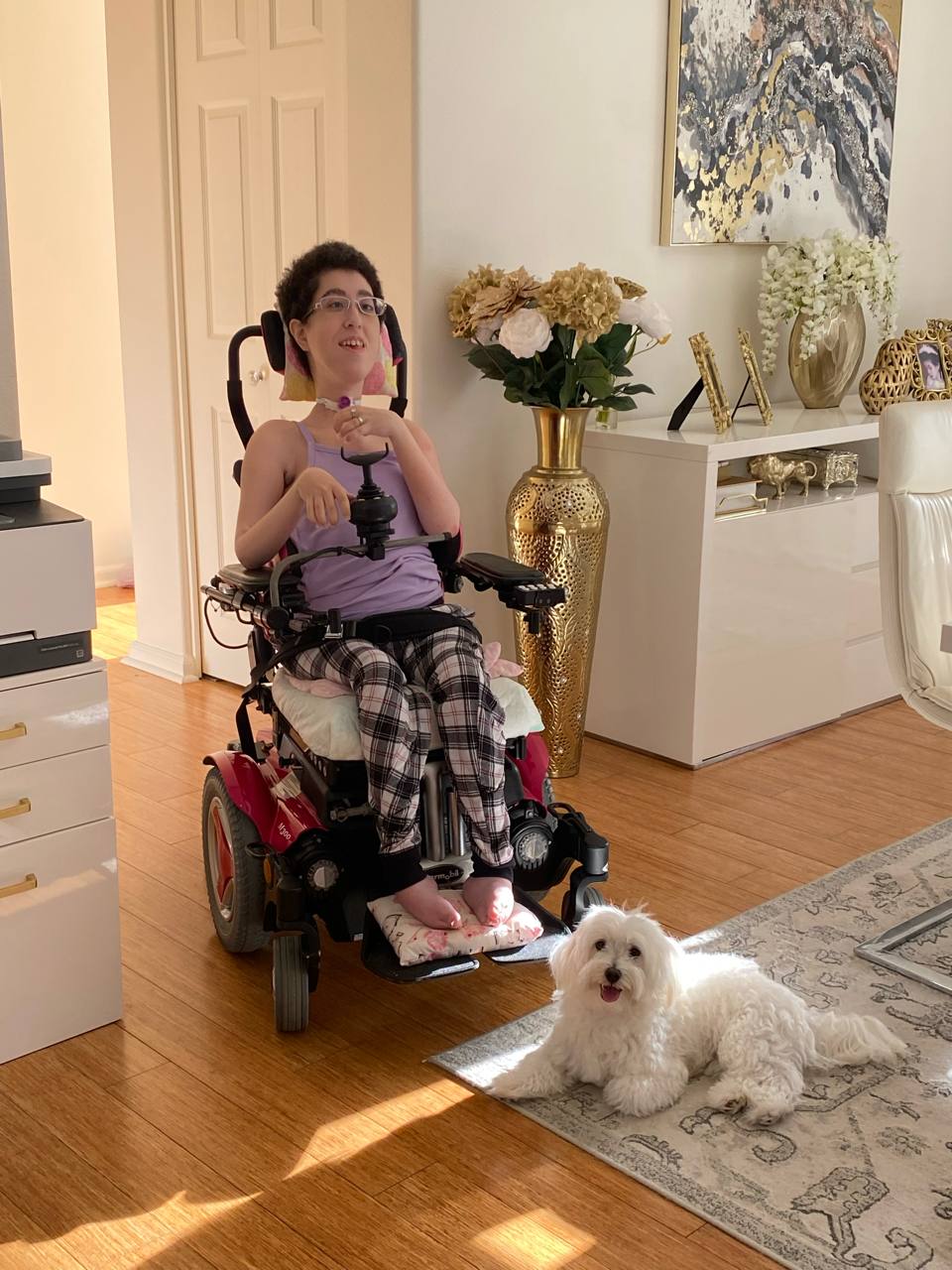
Disability and Poverty: The Barriers We Cannot Ignore
Imagine waking up every morning knowing that the world outside your home was never designed for you.
You are a person with a disability living in poverty. Perhaps you use a wheelchair, need medication every day, rely on a hearing aid, need assistance with personal care, or require regular rehabilitation or medical treatment. Your disability is only one part of your life. But poverty can turn ordinary needs into daily obstacles.
Before thinking about work, education, independence, or long-term goals, you may first have to think about survival.
Can your family afford enough food this week? Can you obtain the medication you need? If your wheelchair breaks, who will repair it? If the nearest medical clinic is far away, how will you get there? If transportation exists, can you afford it—and can you physically use it?
These are not small inconveniences. Together, they can determine whether a person is able to participate in society at all.
Approximately 1.3 billion people, or 16 percent of the world’s population, experience significant disability, according to the World Health Organization. WHO also emphasizes that disability is shaped not only by a person’s health condition but by the environment surrounding that person. Poverty, discrimination, exclusion from education and employment, inaccessible healthcare, and inadequate transportation can all deepen inequality for people with disabilities.
For someone living in a low-income or low-resource setting, transportation alone can become a wall between that person and the rest of society.
A medical clinic might technically exist, but that does not mean it is accessible. A person may live far from it. Public transportation may be unavailable, unaffordable, or physically impossible to use with a wheelchair or another mobility device. WHO reports that people with disabilities can be up to 15 times more limited by inaccessible and unaffordable transportation than people without disabilities.
Even reaching the clinic does not guarantee equal care. There may be stairs without an accessible alternative, equipment that cannot accommodate certain disabilities, inaccessible information, communication barriers, or healthcare workers who lack adequate knowledge about disability.
WHO identifies inaccessible facilities, negative attitudes, discriminatory practices, and inadequate information as continuing barriers within health systems themselves.
Then there is the cost.
Poverty already forces families to make painful decisions about necessities. Disability can add expenses that other households may not have: medication, assistive technology, rehabilitation, transportation, personal assistance, specialized care, or repairs and replacements for essential equipment.
Imagine having to choose between food and the transportation required to attend a medical appointment. Imagine a wheelchair breaking when there is no money for another one. Imagine knowing that a treatment or device exists that could increase your independence, while also knowing that it might as well be a thousand miles away because you cannot afford it.
And the safety net that people in wealthier countries might assume will help is far from universal. The International Labour Organization reports that worldwide, only 38.9 percent of people with severe disabilities receive a disability benefit.
The regional differences are enormous: coverage is reported at only 8.1 percent in Africa and 30.7 percent in Asia, compared with 91.5 percent in Europe and Central Asia.
Disability and Childhood Poverty
For a disabled child, these barriers can begin long before adulthood.
Going to school may depend on whether the building is accessible, whether transportation is available, whether teachers have appropriate training, and whether learning materials can accommodate the child’s needs.
Stigma can create another barrier before the child even enters a classroom, particularly when adults underestimate what disabled children are capable of learning.
UNICEF reports that children with disabilities are among those most likely to be out of school and identifies stigma, discrimination, inaccessible facilities, insufficiently trained teachers, and inadequate learning materials among the barriers they face.
That educational exclusion does not simply disappear when a child becomes an adult.
Without adequate education, future employment opportunities can narrow. Without employment, earning enough money to pay for disability-related needs becomes even harder. Without those supports, participating in education or employment can become harder still.
This is how disability and poverty can reinforce one another.
Poverty can make living with a disability more difficult, while barriers associated with disability can make escaping poverty more difficult.
The effects can spread throughout an entire household. When formal services are unavailable, relatives may have to provide unpaid assistance.
A family member may reduce working hours or stop working altogether to provide care.